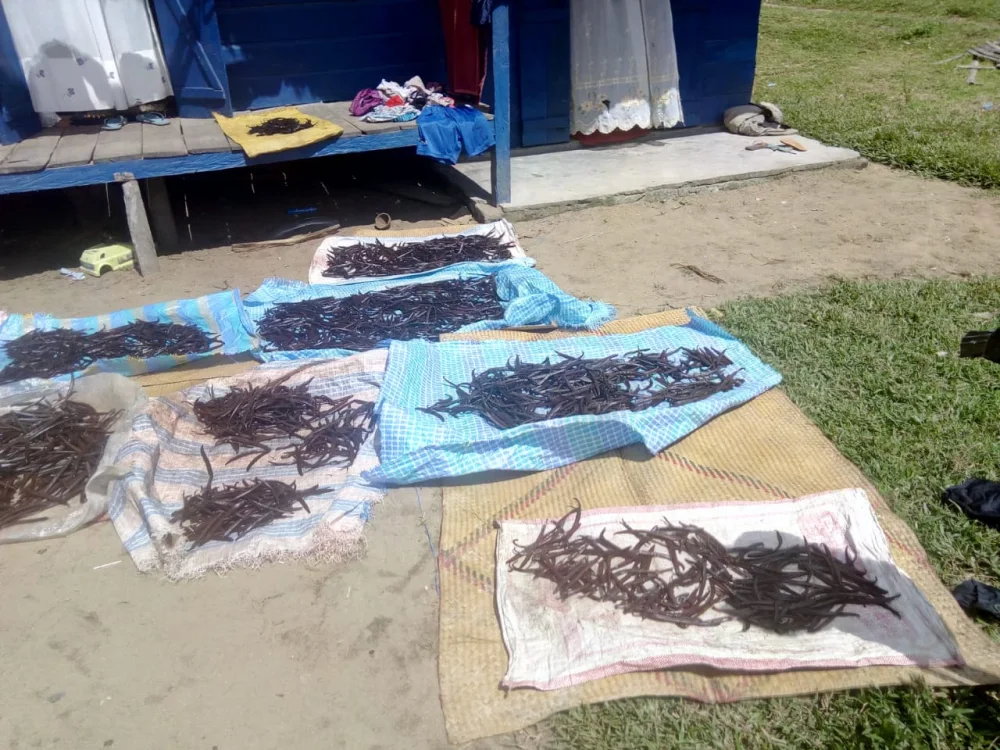
Why land history matters for Madagascar vanilla
Research from SAVA shows why the previous use of a plot matters when assessing the environmental impact of shade-grown vanilla.
TSARA Group publishes TSARA Journal and sells Madagascar vanilla through TSARA Vanilla. The studies cover the region. The group’s suppliers and lots are outside their scope.
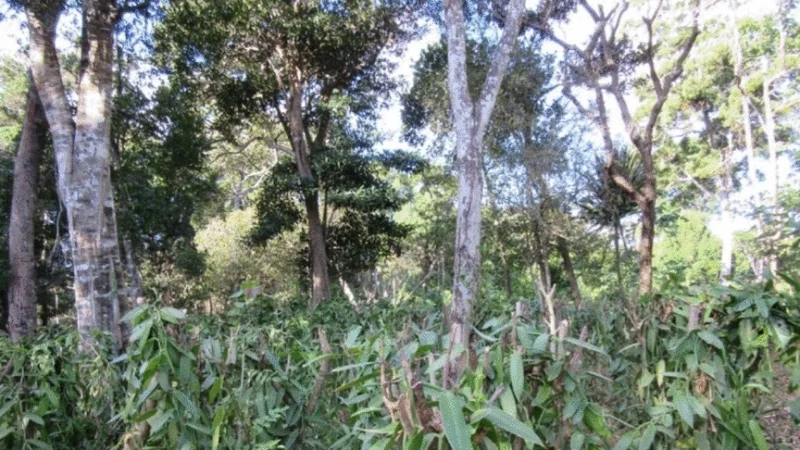
In Madagascar’s northeastern SAVA region, vanilla vines can grow under a canopy of trees. Two wooded farms can have different histories. One might have been established in forest and the other on farmland that had been left fallow. The distinction matters when each farm is compared with what was there before.
In a 2021 study by Kristina Osen and colleagues, vanilla farms established in forest had more tree species than farms established on fallow land. The comparison with old-growth forest tells another part of the story. In a 2022 study by Annemarie Wurz and colleagues, farms established in forest supported fewer species overall across the groups studied than old-growth forest.
Wurz and colleagues also found that vanilla farms established on fallow land supported more species in some of the groups studied than fallows did. Planting vanilla and shade trees on land already used for farming may offer one way to support biodiversity in the region. The studies report findings for specific plots and groups of species.
For buyers, the first question is simple: How was this plot used before vanilla was planted? A buyer can ask a supplier for the plot location, its previous land use and the records behind that account. That gives the term ‘shade-grown’ context for the lot being offered.